Tube & Bar Bending

Our Tube Manipulation Capabilities

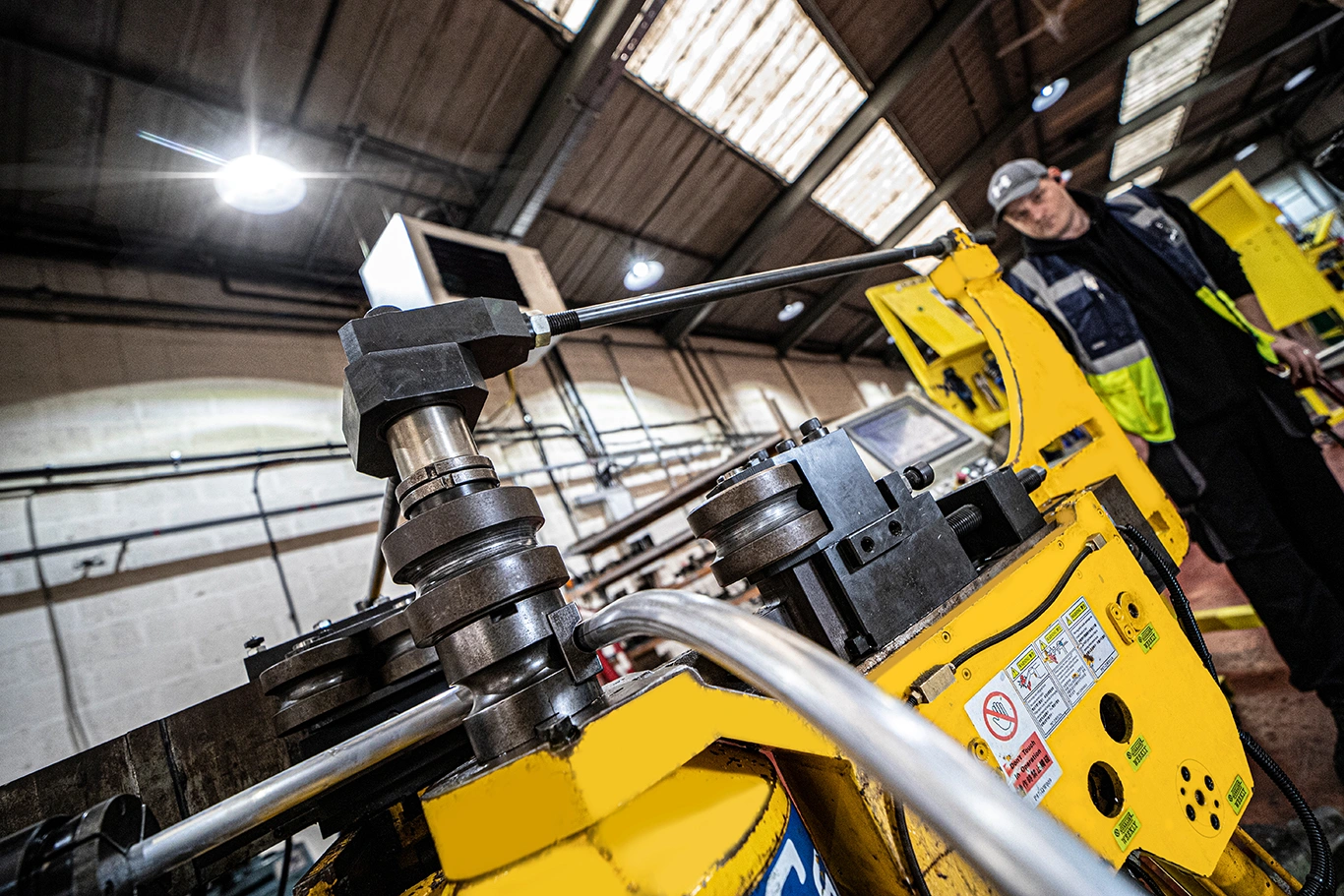
  • CNC tube and bar bending from 4 mm (1/8″) to 76 mm (3″) diameter
  • Rectangular tube bending up to 50 mm x 50 mm
  • Extensive range of draw bend radius tooling
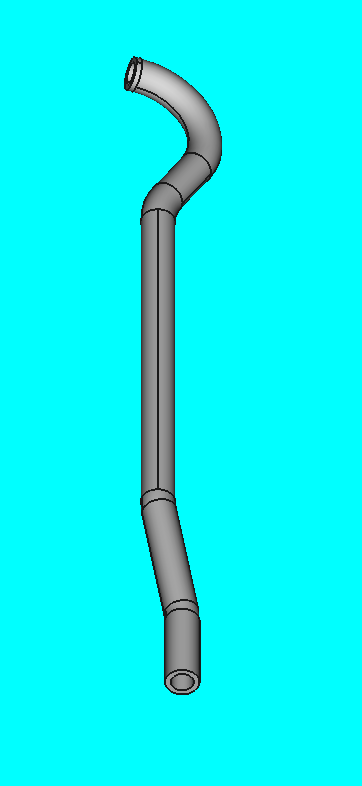
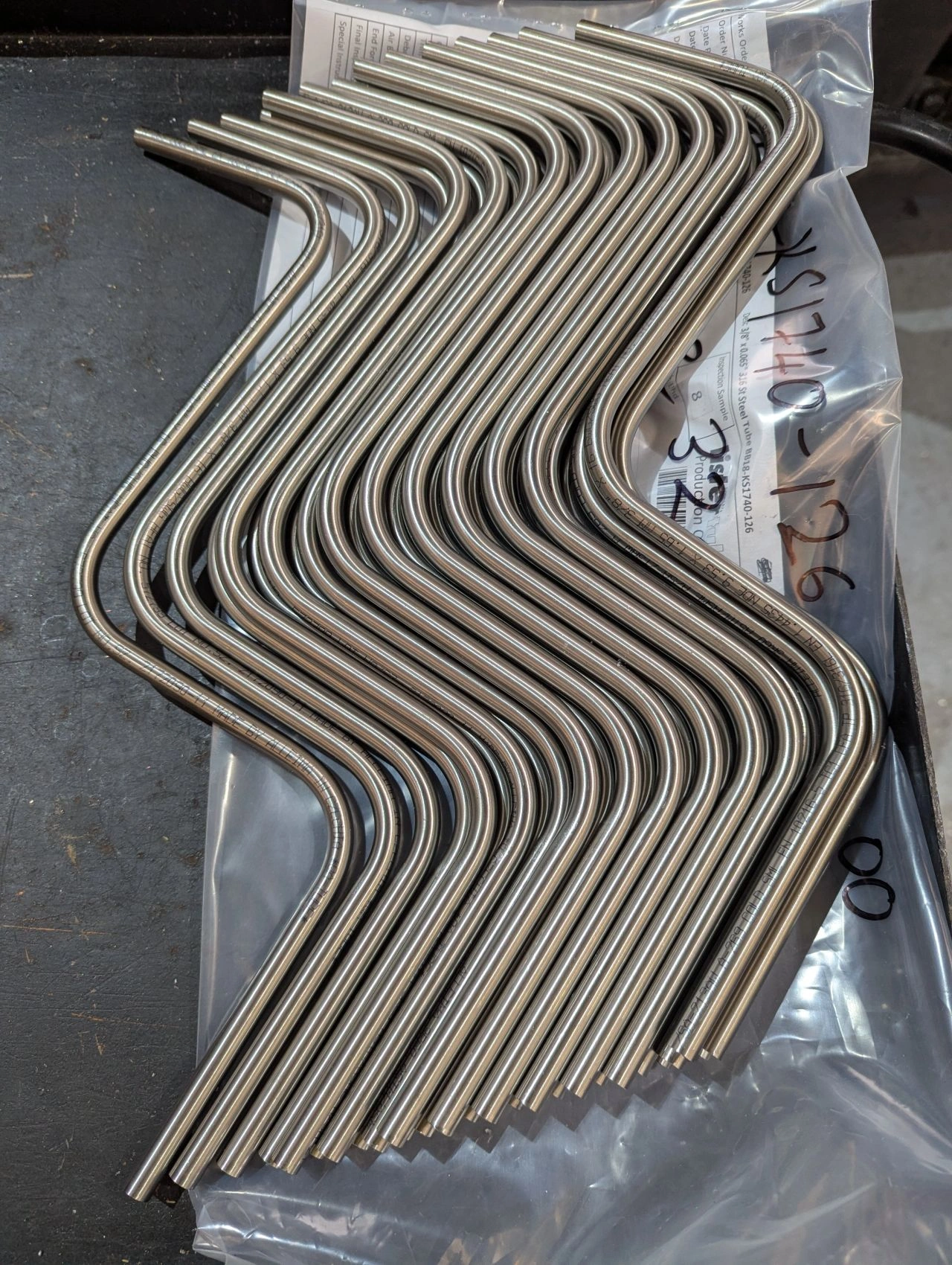
  • CNC multi-stack bending for multiple radii within a single component
  • CNC push bending for larger bend radii
  • Combined CNC draw and push bending for complex tube forms
  • NC, manual and hand bending for small-diameter tubing and specialist applications
  • Processing of mild steel, aluminium, copper, stainless steel <br> and cupro-nickel (Kunifer)

Benefits of Tube Manipulation

Rigid tube assemblies can provide significant advantages over flexible hose systems in many applications.

Key Benefits

  • Longer service life and greater durability
  • Robust construction for demanding environments
  • Often lower total cost compared with flexible hose alternatives
  • Improved visual appearance
  • Reduced component count through complex bend paths
  • Fewer joints and potential leak paths
  • Improved system reliability

Where flexible hose remains the better solution, our wider capabilities allow us to provide the most appropriate option for your application.

Design for Manufacture

Early involvement in the design process can help reduce costs, improve manufacturability and optimise component performance.

Thanks to our extensive range of existing tooling, we can often avoid the need for additional tooling charges. By consulting with our team before a design is finalised, we can help identify the most efficient and economical manufacturing solution.

Standard Tube Bending Guidelines

  • Preferred bend radius: 2 x tube diameter
  • Keep all bends to the same radius where possible
  • Ideally use a maximum of two different bend radii within a component
  • For large arcs formed using push bending, bend radius should exceed 7 x tube diameter

Our engineering team can provide more detailed tube manipulation design guidance to support your project.
Mandrel Bending​

For applications where thin-wall tube or specific material characteristics increase the risk of wrinkling, flattening or collapse during bending, we offer advanced mandrel bending services.

During the draw bending process, a mandrel is inserted into the tube to provide internal support exactly where the bend is being formed. This allows tighter radii and improved dimensional accuracy while minimising deformation.

Using our extensive range of mandrel bending tooling, we can successfully form challenging tube geometries across a broad range of materials and specifications.

How Mandrel Bending Works

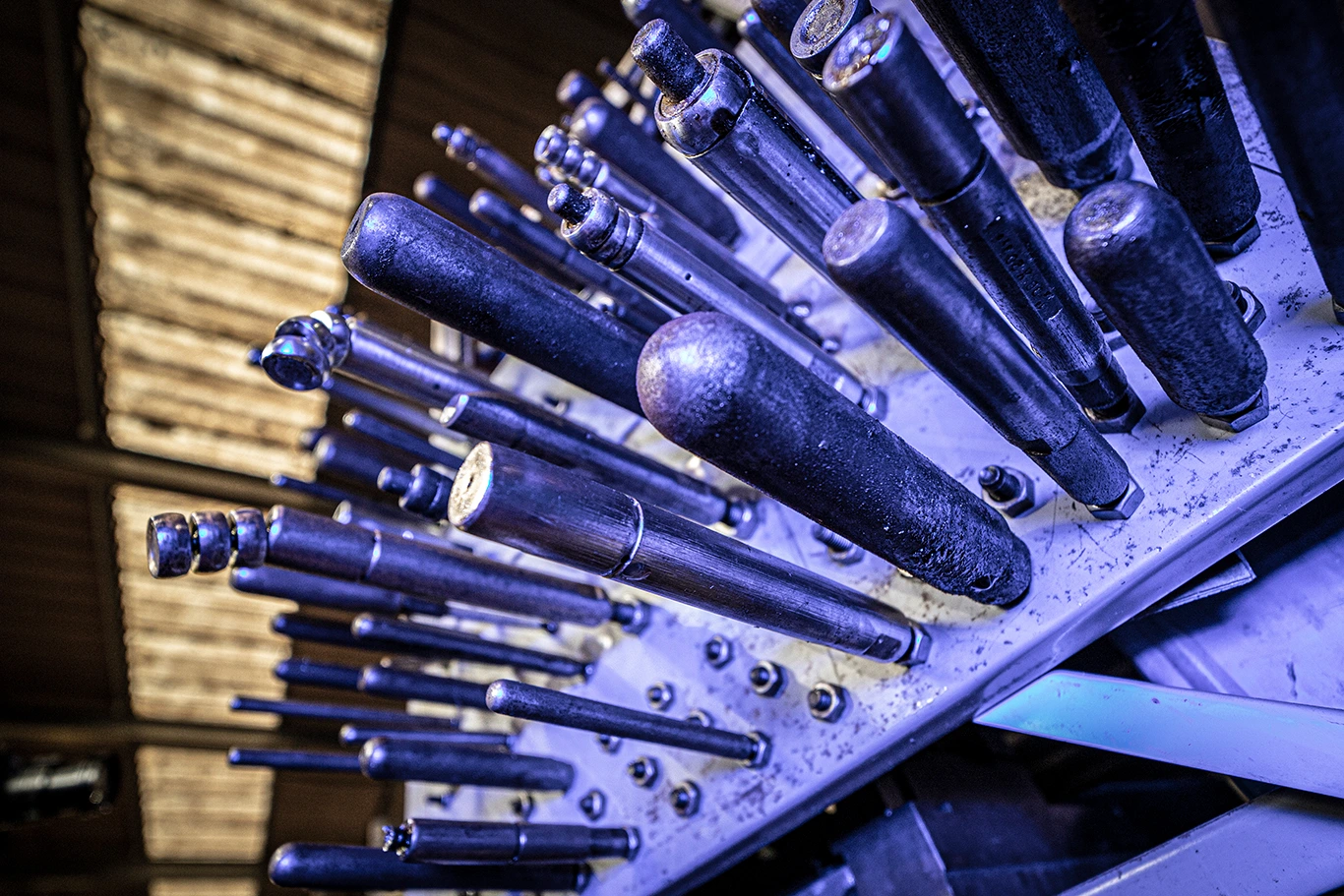
A mandrel is typically a straight rod with a hemispherical end positioned inside the tube during bending. For more demanding applications, flexible mandrels are used to move through multiple bend directions and angles while reducing stress, wrinkling and the risk of material failure.

Bends smaller than twice the tube diameter will often require mandrel support. In many cases, bend radii as tight as the tube diameter can be achieved with minimal deformation, depending on wall thickness, material specification and tooling availability.

Advantages of Mandrel Bending

  • Maintains internal flow characteristics by preventing wrinkles
  • Produces smooth, blemish-free bends
  • Preserves the original tube profile
  • Minimises stress concentrations
  • Reduces the risk of cracking or fracture

mandrel bending is commonly used in

  • Exhaust systems
  • Fluid and gas piping systems
  • Roll-over protection systems (ROPS)
  • Falling object protection structures (FOPS)
  • Aerospace and aircraft applications

It is also particularly beneficial for thin-wall tube assemblies, tight-radius bends and challenging materials, where maintaining tube integrity and dimensional accuracy is critical. Our experience ensures the most appropriate bending method is selected to achieve the required specification and product integrity.

Roll Bending

Alongside draw bending, we also offer roll bending, sometimes referred to as push bending, for the production of large sweeping curves and radii.

Traditional draw bending forms the tube around a bending former. As bend radii increase, the size and cost of the tooling can become impractical. Roll bending provides a highly efficient alternative for large-radius applications.

How Roll Bending Works

The tube passes between a set of rollers while controlled pressure is applied. As the material moves through the rollers, it is progressively formed into a curve. Increasing the pressure creates a tighter curve and smaller radius.

A key advantage of roll bending is that a single tool set can often produce multiple bend radii, making it a flexible and cost-effective forming process.

Typical Applications

Roll bending is particularly suited to:

  • Handrails
  • Guards and protective structures
  • Support tracks
  • Architectural installations
  • Large circular tube forms
  • Heat exchanger coils
  • Structural curved components

Advanced Roll Bending Capabilities

We operate two types of roll bending equipment:

Standalone Roll Bending Machines

Suitable for producing simple arcs within a single plane, with capacity up to 75 mm tube diameter. This solution meets most large-radius bending requirements while keeping tooling costs low.

CNC Combined Draw & Roll Bending

Our advanced CNC machines can perform both draw bending and roll bending within the same component, allowing:
This capability provides exceptional flexibility when producing complex tube assemblies.

Design Considerations for Roll Bending

Tube bending
design guide

Avoid common design challenges and improve manufacturability with our free Tube Bending Design Guide. Discover expert recommendations on bend radii, material considerations and production-ready tube design.
Scroll to Top